If you’re serious about outrigger paddling, you’ve probably noticed how much your paddle affects your performance, comfort, and endurance on the water. Whether you’re pushing through an OC1 solo or coordinating with your crew in an OC6, the right paddle can transform your stroke efficiency and reduce fatigue.
I’ve compiled seven standout options for 2026 that balance weight, stiffness, and comfort in ways that’ll surprise you. Let’s explore what makes each one worth your attention.
| Hybrid Outrigger Canoe Paddle Wooden Shaft Carbon Fiber | Best Hybrid Design | Shaft Material: Wooden shaft | Blade Material: Carbon fiber | Paddle Length: 48″–52″ | VIEW LATEST PRICE | Read My Analysis | |
| OC Paddle Carbon Fiber Outrigger Canoe Paddle | Lightest Carbon Option | Shaft Material: Carbon fiber shaft | Blade Material: Carbon fiber | Paddle Length: Not specified (approx. 50″) | VIEW LATEST PRICE | Read My Analysis | |
| Z&J SPORT Hybrid Outrigger Paddle Carbon Blade | Premium Craftmanship | Shaft Material: Wooden bent shaft (fiberglass reinforced) | Blade Material: Carbon fiber with PMI foam core | Paddle Length: 46″–52″ | VIEW LATEST PRICE | Read My Analysis | |
| ACCENT PADDLES Beat Aluminum Canoe Paddle | Budget-Friendly Pick | Shaft Material: Aluminum shaft | Blade Material: Fiberglass reinforced nylon polymer | Paddle Length: 48″–56″ | VIEW LATEST PRICE | Read My Analysis | |
| Z&J SPORT Outrigger Canoe Paddle Full Carbon | Professional Grade | Shaft Material: Carbon fiber shaft | Blade Material: Carbon fiber with PMI foam core | Paddle Length: 46″–52″ | VIEW LATEST PRICE | Read My Analysis | |
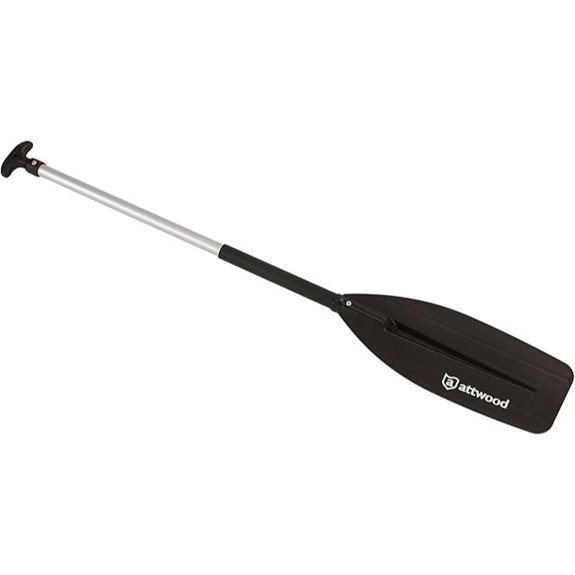
| Attwood Wooden Canoe Paddle Ergonomic Grip | Not Recommended | Shaft Material: Wooden shaft | Blade Material: Hardwood | Paddle Length: 48″ (4 feet) | VIEW LATEST PRICE | Read My Analysis | |
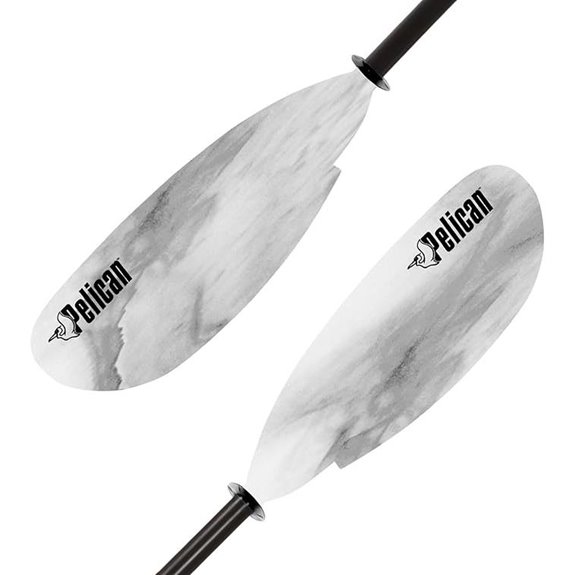
| Pelican Poseidon Aluminum Kayak Paddle with Fiberglass Blades | Not Recommended | Shaft Material: Aluminum shaft | Blade Material: Fiberglass reinforced polypropylene | Paddle Length: 94.5″ | VIEW LATEST PRICE | Read My Analysis |
More Details on Our Top Picks
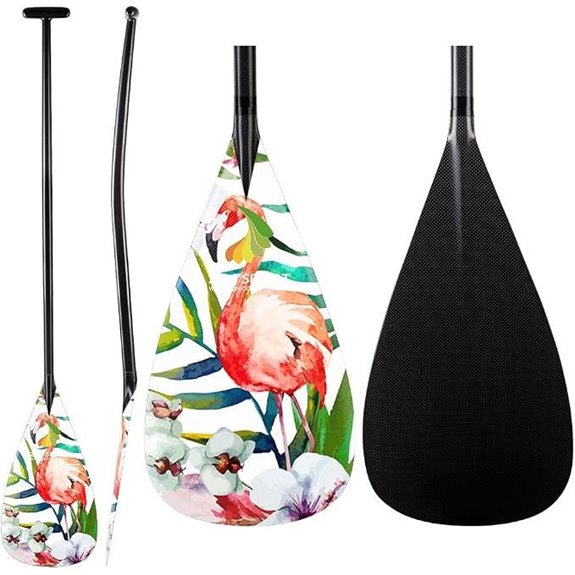
Hybrid Outrigger Canoe Paddle Wooden Shaft Carbon Fiber
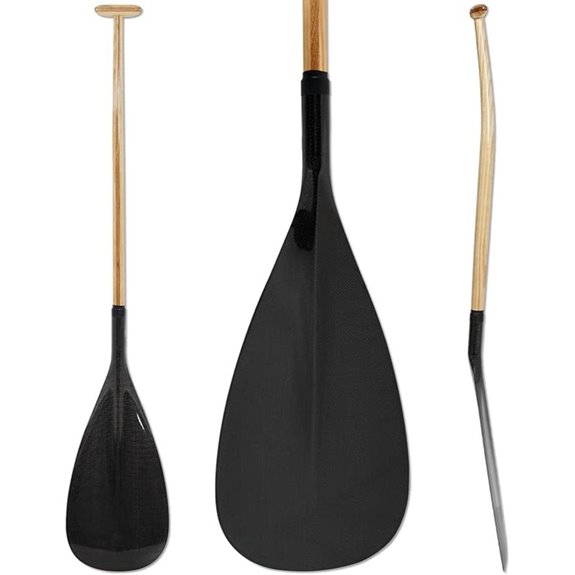
The LINGVUM hybrid paddle merges wooden and carbon fiber materials flawlessly. You’re looking at a lightweight champion here: just 1.43 pounds that won’t fatigue your shoulders during long sessions. The teardrop blade spans 9.4 inches wide and 19.4 inches long, giving you 121 square inches of surface area to bite the water efficiently.
That 12° dip angle with waterline design reduces resistance, letting you accelerate faster. The smooth oval shaft features an 8° bent design and T-handle that genuinely eases wrist strain. Available in five lengths from 48 to 52 inches, you’ll find your perfect match. Whether you’re paddling OC1 or OC6, this beginner-friendly option delivers comfort and durability.
- Shaft Material:Wooden shaft
- Blade Material:Carbon fiber
- Paddle Length:48″–52″
- Weight:1.43 lb (0.65 kg)
- Grip Type:T-handle with oval shaft
- Blade Shape:Teardrop
- Additional Feature:12° waterline dip angle
- Additional Feature:Includes paddle storage bag
- Additional Feature:8° bent shaft design
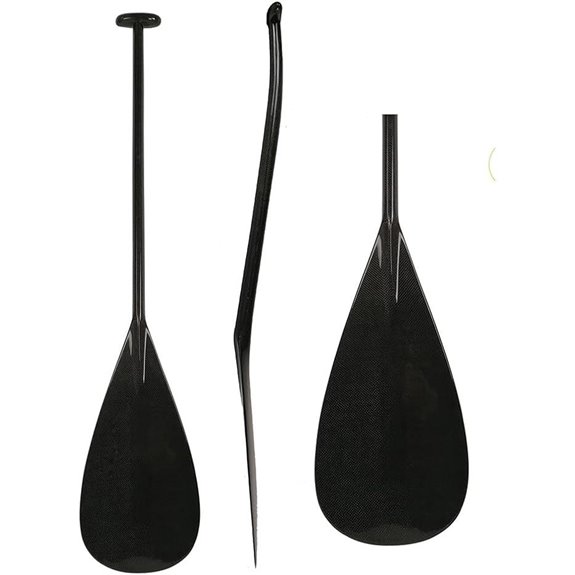
OC Paddle Carbon Fiber Outrigger Canoe Paddle
Looking for a paddle that won’t weigh down your outrigger canoe? I’d recommend the CISIMOVE OC Paddle, a one-piece carbon fiber design that tips the scales at just 480-580 grams. The lightweight construction makes it perfect for intermediate paddlers who want control without fatigue during long sessions.
Its 49.5 cm by 23 cm blade delivers solid power transfer, while the T-bar grip keeps your hands comfortable and secure. The bend shaft design channels energy efficiently through each stroke. And with full carbon fiber material, you’re getting strength paired with flexibility that handles varied water conditions beautifully. Plus, the one-year warranty gives you peace of mind.
- Shaft Material:Carbon fiber shaft
- Blade Material:Carbon fiber
- Paddle Length:Not specified (approx. 50″)
- Weight:480g–580g (1.06–1.28 lb)
- Grip Type:T-bar grip
- Blade Shape:Not specified
- Additional Feature:One-piece bend shaft construction
- Additional Feature:Lightweight 480-580g weight
- Additional Feature:T-bar grip comfort
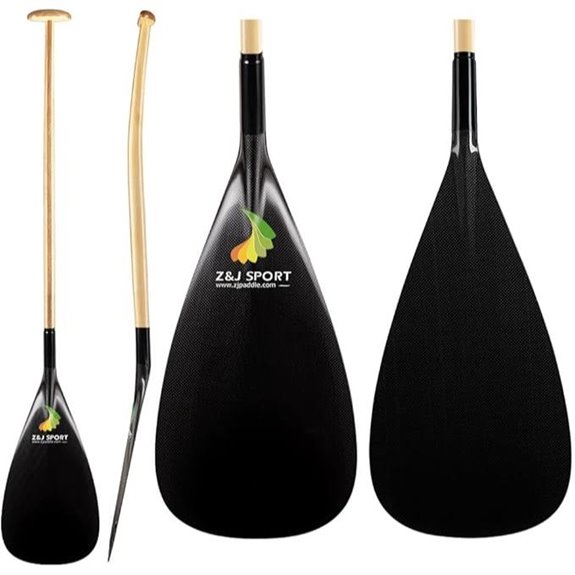
Z&J SPORT Hybrid Outrigger Paddle Carbon Blade
Z&J SPORT’s hybrid paddle delivers premium craftsmanship for serious outrigger paddlers seeking reliability across multiple conditions. The wooden bent shaft, reinforced with fiberglass and available in walnut or white pine, weighs just 17.6 ounces, keeping fatigue at bay during long-distance paddling. Its teardrop carbon blade features a sandwich construction with PMI foam core, offering strength without excess weight.
The 12-degree offset angle optimizes performance on open water and flat water alike. Available in three sizes (9.1″ to 9.7″ wide), it accommodates different paddler preferences and techniques. The ergonomic T-handle paired with an oval shaft maximizes grip and power transfer, making this an excellent choice for dedicated outrigger enthusiasts.
- Shaft Material:Wooden bent shaft (fiberglass reinforced)
- Blade Material:Carbon fiber with PMI foam core
- Paddle Length:46″–52″
- Weight:17.6 oz (500 g)
- Grip Type:T-handle with oval shaft
- Blade Shape:Teardrop
- Additional Feature:Sandwich blade construction technology
- Additional Feature:Handcrafted wooden bent shaft
- Additional Feature:30-day warranty coverage
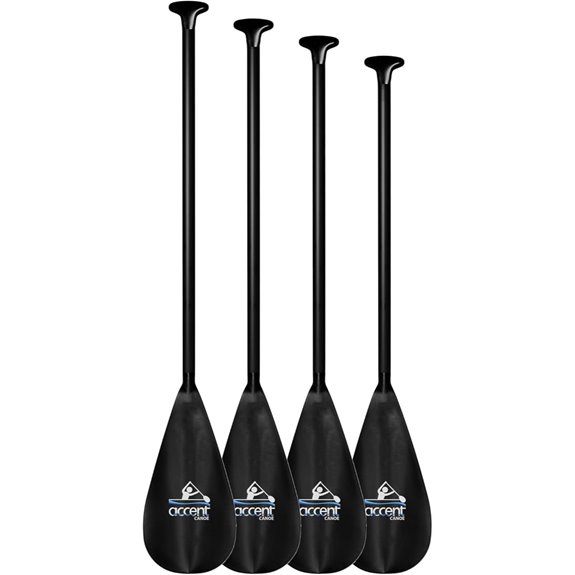
ACCENT PADDLES Beat Aluminum Canoe Paddle
Want a reliable canoe paddle that won’t drain your wallet? I’d recommend the ACCENT PADDLES Beat Aluminum Canoe Paddle. This fixed-length paddle comes in five sizes ranging from 48 to 56 inches, so you’ll find your fit. The teardrop blade design delivers extra power with its 8-degree bent construction, while the dihedral angle keeps things balanced and responsive.
You get injection-molded fiberglass-reinforced nylon paired with a durable anodized aluminum shaft, weighing just 26 ounces. The ergonomic grip ensures comfort during extended paddling sessions.
- Shaft Material:Aluminum shaft
- Blade Material:Fiberglass reinforced nylon polymer
- Paddle Length:48″–56″
- Weight:26 oz (738 g)
- Grip Type:Ergonomic grip
- Blade Shape:Tear drop
- Additional Feature:8-degree bent fiberglass blade
- Additional Feature:Dihedral angled blade design
- Additional Feature:Injection molded nylon polymer
Z&J SPORT Outrigger Canoe Paddle Full Carbon
If you’re serious about outrigger paddling and want professional-grade equipment without sacrificing weight, this all-carbon paddle from Z&J SPORT delivers. At just 450 grams, you’re looking at a featherweight option that doesn’t compromise on durability.
The sandwich blade construction combines CNC-engraved PMI foam with carbon fiber and epoxy resin, making it tough enough for sun exposure and rough conditions. With a 12-degree bent shaft and T-handle design, you’ll get excellent grip and power transfer for long-distance cruising.
Available in three blade sizes (small through large) and adjustable lengths from 46 to 52 inches, this paddle adapts to your paddling style and body type.
- Shaft Material:Carbon fiber shaft
- Blade Material:Carbon fiber with PMI foam core
- Paddle Length:46″–52″
- Weight:15.9 oz (450 g)
- Grip Type:T-handle with oval shaft
- Blade Shape:Teardrop
- Additional Feature:CNC-engraved PMI foam core
- Additional Feature:Thickened shaft-blade joint
- Additional Feature:-12 degree optimal waterline
Attwood Wooden Canoe Paddle Ergonomic Grip
The Attwood Wooden Canoe Paddle isn’t recommended if you’re piloting a full-size outrigger canoe, though it deserves consideration for specific situations. This 4-foot hardwood paddle shines as a backup or emergency paddle for smaller watercraft, dinghies, and kayaks.
You’ll appreciate the ergonomic palm grip and padded shaft that keep your hands comfortable and secure during extended paddling. The protective clear varnish finish guards against water damage while maintaining that classic wooden aesthetic. At just 1.38 pounds, it’s genuinely lightweight and compact enough for tight spaces.
And here’s the thing: Attwood’s hundred-year marine heritage means you’re investing in dependability, not just a budget option for casual recreational boating and fishing trips.
- Shaft Material:Wooden shaft
- Blade Material:Hardwood
- Paddle Length:48″ (4 feet)
- Weight:1.38 lb
- Grip Type:Ergonomic palm grip
- Blade Shape:Not specified
- Additional Feature:Clear varnish protective finish
- Additional Feature:Suitable for multiple vessel types
- Additional Feature:100-year brand heritage
Pelican Poseidon Aluminum Kayak Paddle with Fiberglass Blades
Paddlers seeking a lightweight, travel-friendly option won’t find this their ideal match, but here’s why I’m mentioning it anyway: the Pelican Poseidon delivers solid performance for casual kayakers and boating enthusiasts who prioritize portability and affordability over specialized features. The two-piece aluminum shaft breaks down for compact storage, and at 94.5 inches, it suits most paddlers without excessive bulk.
I appreciate the reinforced fiberglass blades that resist impact while keeping weight minimal. The anti-slip coating and adjustable drip rings enhance comfort during extended paddles. The push-button connection adjusts between zero and 65-degree angles, giving you flexibility for different paddling styles. Weighing just a pound, this paddle won’t fatigue your arms on longer outings.
- Shaft Material:Aluminum shaft
- Blade Material:Fiberglass reinforced polypropylene
- Paddle Length:94.5″
- Weight:1 lb
- Grip Type:Anti-slip grip with shaft indexing
- Blade Shape:Impact-resistant curved blades
- Additional Feature:Adjustable 0/65-degree angle connection
- Additional Feature:Anti-slip shaft coating
- Additional Feature:Adjustable drip rings included
Factors to Consider When Choosing Outrigger Paddles
Now that you’ve seen one solid option, I want to walk you through the key factors that’ll help you narrow down your perfect paddle. You’ll want to evaluate blade material and construction, shaft design and ergonomics, weight and portability, length and sizing options, and dip angle and performance because each one directly impacts how the paddle feels in your hands and performs on the water. Let me break down what makes each factor matter so you can make a choice that fits your specific paddling style and needs.
Blade Material And Construction
Your blade material and construction choices directly impact how your paddle performs on the water, so it’s worth understanding what separates one option from another. I’ve found that three primary construction methods dominate the market.
Carbon fiber blades deliver impressive stiffness and minimal weight, making them responsive and efficient for serious paddlers. Sandwich construction, which pairs a PMI foam core with carbon fiber and epoxy resin, balances durability with lightweight performance. Fiberglass-reinforced nylon offers solid cost-effective durability, ideal if you prioritize longevity over premium performance.
Most blades feature teardrop shapes that maximize surface area, typically around 115-121 square inches, giving you powerful strokes while keeping water resistance manageable. Your choice depends on balancing performance needs against your budget and durability expectations.
Shaft Design And Ergonomics
How much thought have you given to what’s actually in your hand during those long paddling sessions? Your shaft design matters more than you might realize. Bent shafts with right-angled or oval profiles position your hand naturally, reducing fatigue and improving your grip. Wooden shafts featuring ergonomic T-handles and oval cross-sections deliver superior grip security while minimizing wrist strain over extended outings.
One-piece carbon or wood constructions with reinforced blade joints maximize leverage and cut down on flex-related exhaustion. Pair these with teardrop blade shapes and typical 12-degree offset angles for optimized water catch and reduced resistance. Whether you prefer adjustable or fixed profiles depends on your height and paddling style, but either way, the right shaft transforms your entire experience on the water.
Weight And Portability
When you’re loading gear into a kayak or hoisting a paddle onto your shoulder for a beach walk, every ounce counts. Carbon fiber paddles shine here, typically weighing between 450 and 580 grams, making them significantly lighter than traditional metal designs. And here’s the thing: lighter paddles reduce fatigue during extended sessions, which means you’ll paddle stronger and longer.
Portability matters too. Compact shaft options around 46 to 52 inches pack down easier, especially valuable for open-water paddling in confined spaces. Two-piece designs offer breakdown convenience, though one-piece bent shafts provide superior stiffness without sacrificing much packability.
Consider blade construction as well. Exoskeletons using carbon fiber, PMI foam cores, or fiberglass reinforcement deliver rigidity while staying remarkably light, outperforming heavier all-metal alternatives every time.
Length And Sizing Options
Finding the right paddle length makes all the difference between efficient strokes and constant frustration on the water. Most outrigger paddles range from 46 to 52 inches, with one-inch increments letting you dial in the perfect fit for your height and paddling style. Shorter paddles, around 46 to 48 inches, excel in tight spaces and open water maneuvers where quick, responsive strokes matter. Longer options, 50 to 52 inches, give you superior leverage for distance paddling and sustained power.
But here’s what matters most: blade size and shaft design affect how these measurements translate to your comfort. A curved shaft might feel shorter than a straight one, so consider the whole package. Getting your length right means better blade clearance, smoother entries, and less shoulder strain.
Dip Angle And Performance
Why does your paddle’s angle matter more than you’d think? Your dip angle, the forward tilt of your blade, directly impacts how efficiently you move through water. A 12° dip angle balances forward propulsion with lift while reducing water resistance, making it ideal for open-water and long-distance paddling.
Here’s what you should know:
- Teardrop blade shapes combined with 12° offsets optimize thrust
- Angled or dihedral blade designs maintain stable catches and smooth entries across varying conditions
- Blade surface area (115-121 sq in) and length options (46-52 inches) work together with dip angle to affect leverage and propulsion efficiency
Bent shafts at 8° or 12° paired with T-handles amplify these benefits, reducing wrist strain while transferring power more effectively through your stroke.
Durability And Warranty Coverage
You’ve optimized your dip angle and blade shape for performance, but none of that matters if your paddle falls apart after a few months on the water. I look for warranties covering at least 6 months to a year, which signals manufacturer confidence in their build quality.
Material construction matters tremendously: carbon fiber blades paired with wooden shafts, or fully carbon designs, withstand extended use better than budget alternatives. One-piece bend shafts reduce stress points that typically fail first. Reinforced blade joints and ergonomic grips, whether T-handle or oval shafts, protect your hands and wrists during sustained paddling.
Thicker blade designs around 95-120 square inches suggest durability built for open water and long distances, not casual sessions. These features compound to create a paddle lasting years, not seasons.
Budget And Value Proposition
What’s the sweet spot between spending smart and getting a paddle that actually performs? I’ve found it comes down to understanding where your money goes. Carbon fiber blades cost more upfront, but their lighter weight (think 450-580g) reduces fatigue during long sessions, making them genuinely worth it for serious paddlers. Meanwhile, adjustable lengths spanning 46-52 inches mean you won’t need multiple purchases as your needs evolve.
Look for reinforced blade joints and PMI foam cores, too. These durability features lower replacement frequency significantly. One-piece carbon fiber designs offer superior stiffness compared to wooden alternatives, improving stroke efficiency without constant flex. Sometimes investing slightly more now saves you cash long-term through fewer replacements and better performance.