I’m here to help you navigate the kayak market, because finding the right one can feel overwhelming with so many options available. Whether you’re a casual paddler exploring calm lakes or an angler hunting for your next catch, the 2026 lineup offers something for everyone.
I’ve compiled seven standout kayaks that balance portability, comfort, and performance. But before we explore each model, let me walk you through what actually matters when making this decision.
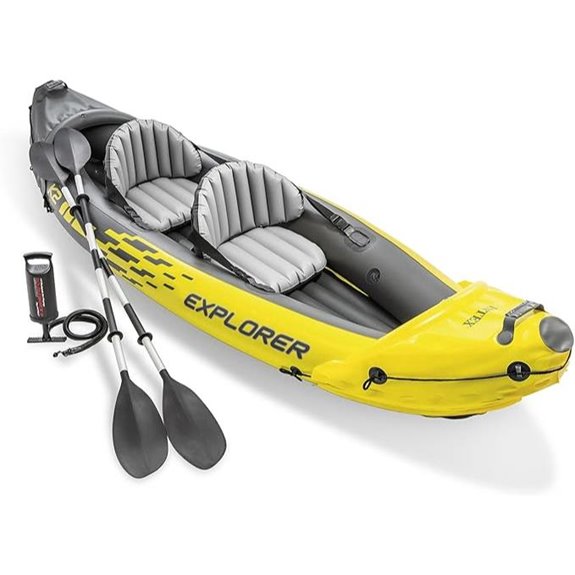
| Intex Explorer K2 Inflatable Kayak Set with Oars & Pump | Best Two-Person Value | Kayak Type: 2-person inflatable | Weight Capacity: 400 lbs | Length: 10.3 feet | VIEW LATEST PRICE | Read My Analysis | |
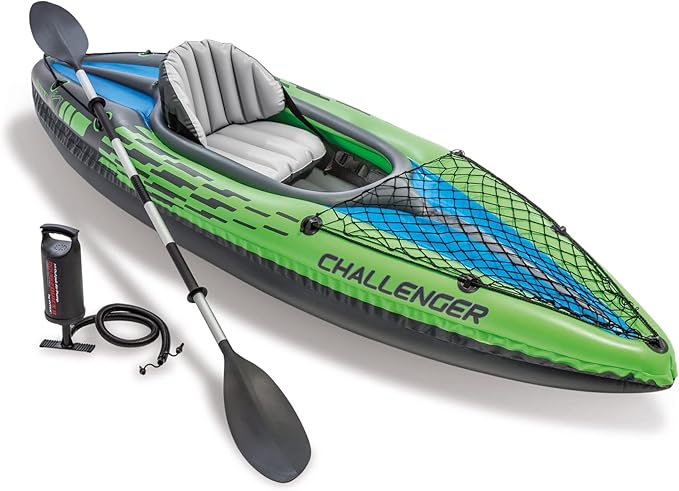
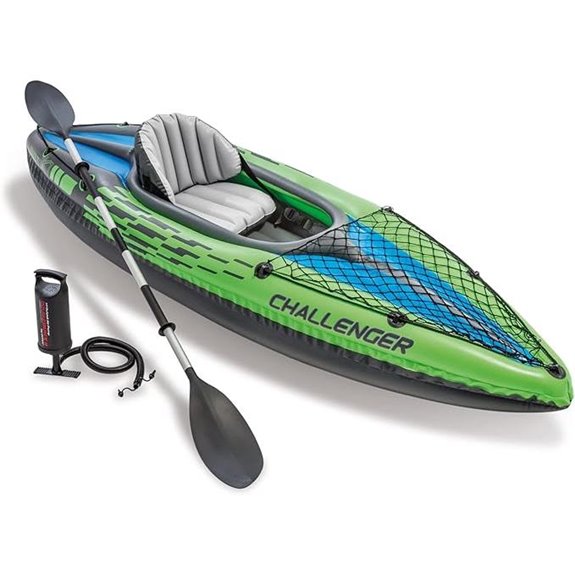
| INTEX Challenger Inflatable Kayak with Paddles & Pump | Budget-Friendly Solo | Kayak Type: 1-person inflatable | Weight Capacity: 220 lbs | Length: 9 feet | VIEW LATEST PRICE | Read My Analysis | |
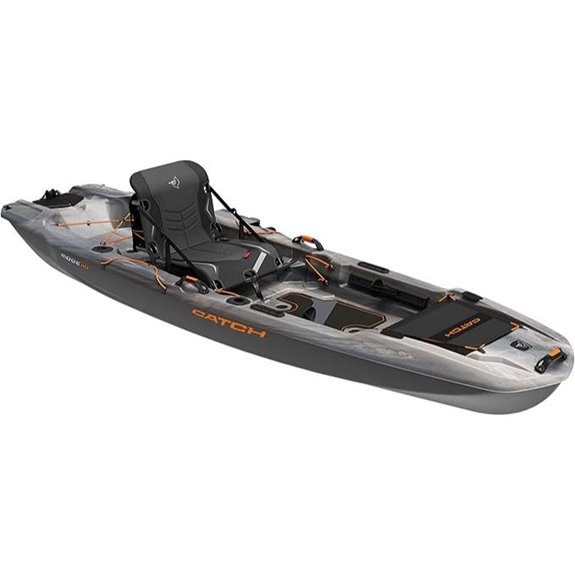
| Pelican Catch Mode 110 Kayak | Best Fishing Kayak | Kayak Type: 1-person rigid sit-on-top (fishing) | Weight Capacity: 375 lbs | Length: 10 feet 8 inches | VIEW LATEST PRICE | Read My Analysis | |
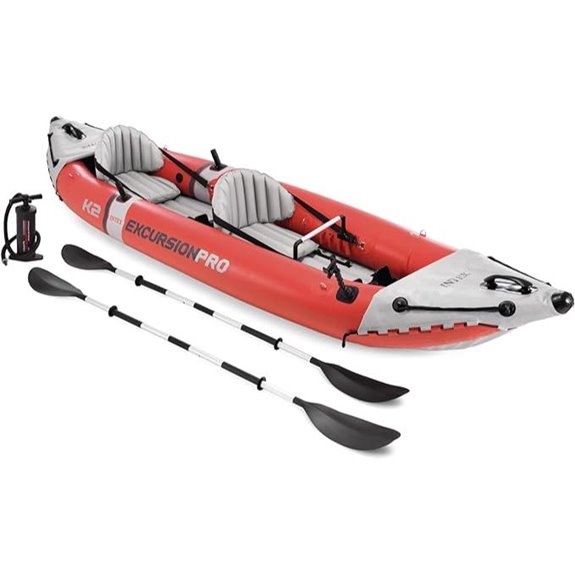
| INTEX Excursion Pro K2 Inflatable Kayak Set (2-Person) | Most Versatile Inflatable | Kayak Type: 2-person inflatable | Weight Capacity: 400 lbs | Length: 12.7 feet | VIEW LATEST PRICE | Read My Analysis | |
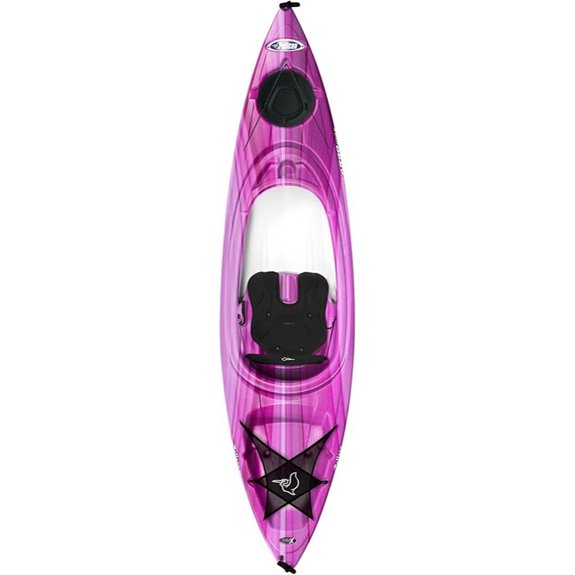
| Pelican Argo 100X Recreational Sit-In Kayak | Best For Beginners | Kayak Type: 1-person rigid sit-in (recreational) | Weight Capacity: 275 lbs | Length: 10 feet | VIEW LATEST PRICE | Read My Analysis | |
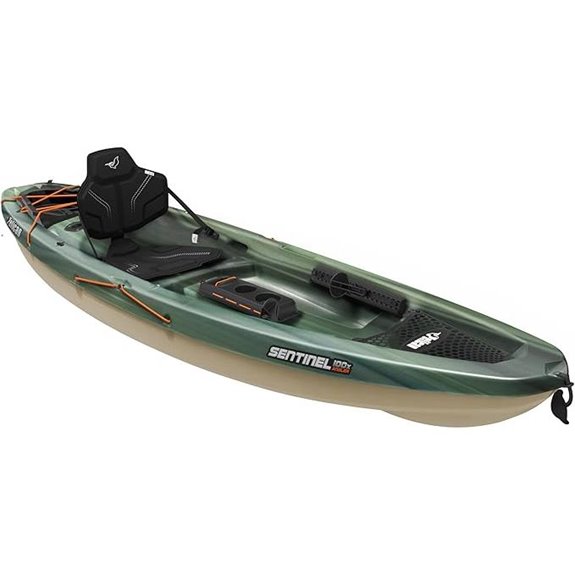
| Pelican Sentinel 100X Angler Sit-On-Top Fishing Kayak | Best Angler Pick | Kayak Type: 1-person rigid sit-on-top (fishing) | Weight Capacity: 275 lbs | Length: Approximately 9.5 feet | VIEW LATEST PRICE | Read My Analysis | |
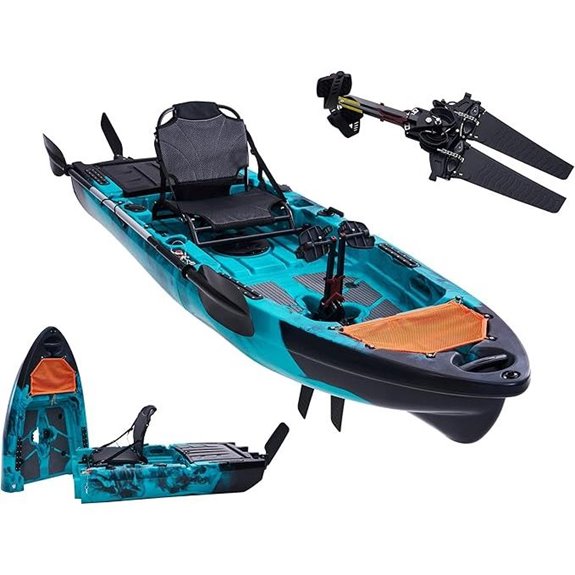
| Albott Modular Fishing Kayak with Drive System | Most Customizable Option | Kayak Type: 1-person modular sit-on-top (fishing) | Weight Capacity: 420 lbs | Length: 9.4 feet | VIEW LATEST PRICE | Read My Analysis |
More Details on Our Top Picks
Intex Explorer K2 Inflatable Kayak Set with Oars & Pump
Looking for an inflatable kayak that won’t drain your wallet? The Intex Explorer K2 delivers solid performance for casual paddlers. This two-person setup comes fully equipped: you get aluminum oars, a high-output pump, and inflatable seats with backrests. The rugged PVC construction features an I-beam floor and high-buoyancy chambers, supporting up to 400 pounds total.
At 10.3 feet long and weighing just 35 pounds, it’s genuinely portable. The removable skeg helps with directional control on lakes and mild rivers. Setup’s straightforward thanks to the Boston valves for quick inflation. And the entire package, paddles included, stores compactly in a carrying bag.
For beginners or recreational paddlers wanting an accessible entry point, this kayak hits the mark.
- Kayak Type:2-person inflatable
- Weight Capacity:400 lbs
- Length:10.3 feet
- Item Weight:35 lbs
- Included Paddles:Two 86-inch paddles included
- Warranty:90-day limited manufacturer
- Additional Feature:Removable skeg for directional movement
- Additional Feature:High-buoyancy side chambers
- Additional Feature:Boston valve for fast inflation/deflation
INTEX Challenger Inflatable Kayak with Paddles & Pump
Want a reliable kayak that won’t drain your wallet? The Intex Challenger delivers solid performance for casual paddlers exploring lakes and mild rivers. This single-person inflatable stretches 9 feet long with a 220-pound weight capacity, giving you plenty of stability without sacrificing maneuverability. I appreciate the removable skeg, which keeps your course steady when wind kicks up.
The adjustable seat accommodates different body types, and you get a cargo net for stashing essentials. The package includes deluxe 86-inch paddles and a high-output pump, so you’re ready to launch immediately. At 26 pounds deflated, transporting it’s hassle-free.
- Kayak Type:1-person inflatable
- Weight Capacity:220 lbs
- Length:9 feet
- Item Weight:26 lbs
- Included Paddles:One pair of 86-inch paddles included
- Warranty:90-day limited manufacturer
- Additional Feature:Removable skeg for directional stability
- Additional Feature:Cargo storage net included
- Additional Feature:Low-profile design for paddling
Pelican Catch Mode 110 Kayak
Serious anglers need a kayak that won’t wobble when you’re fighting a fish. I’d recommend the Pelican Catch Mode 110 because its tunnel hull design keeps you stable while standing to cast and reel. The wide, flat deck platform gives you genuine peace of mind when you’re focused on landing your catch. Built from durable RAM-X material, this 10-foot 8-inch kayak holds up to 375 pounds and weighs just 63 pounds for easy transport.
The ERGOBOOST seating system adjusts to your preferred height and viewing angle, while EVA padding keeps you comfortable during long days on the water. You’ll appreciate the fishing-specific features: three flush-mount rod holders, two rigging tracks for accessories, front and rear tank wells, and bungee-corded storage for your gear.
- Kayak Type:1-person rigid sit-on-top (fishing)
- Weight Capacity:375 lbs
- Length:10 feet 8 inches
- Item Weight:67 lbs
- Included Paddles:Not included
- Warranty:Lifetime limited (defects); 1-year on parts/accessories
- Additional Feature:Three flush mount rod holders
- Additional Feature:Wide flat deck platform standing
- Additional Feature:ERGOBOOST adjustable seating system
INTEX Excursion Pro K2 Inflatable Kayak Set (2-Person)
If you’re torn between wanting a solo adventure kayak and needing something that handles two paddlers comfortably, the INTEX Excursion Pro K2 is arguably the most versatile inflatable option I’d recommend for 2026. The 3-ply laminate construction with SuperStrong PVC means you’re getting durability that resists abrasion, impact, and sun damage.
At 12.7 feet long with a 400-pound weight capacity, it accommodates both tandem and solo paddling setups. You’ll appreciate the removable skegs for navigating different water depths, plus the included 86-inch paddles and high-output pump get you on the water fast. The adjustable bucket seat and stainless steel D-rings provide storage flexibility for gear.
- Kayak Type:2-person inflatable
- Weight Capacity:400 lbs
- Length:12.7 feet
- Item Weight:44.67 lbs
- Included Paddles:Two 86-inch paddles included
- Warranty:90-day limited manufacturer
- Additional Feature:3-ply SuperStrong PVC laminate construction
- Additional Feature:Two detachable fishing rod holders
- Additional Feature:Removable skegs for deep/shallow water
Pelican Argo 100X Recreational Sit-In Kayak
Looking to paddle without the steep learning curve? The Pelican Argo 100X delivers stability and comfort for beginners exploring calm waters. This 10-foot sit-in kayak weighs just 36 pounds, making it manageable for solo transport, while its twin-arched hull design keeps you confident and secure.
The Ergoform seating system cradles you with an adjustable backrest and cushioned seat, plus molded footrests let you dial in your leg support. At 275 pounds capacity, it accommodates most paddlers. Built from durable Ram-X polyethylene, this Fade Magenta beauty handles recreational paddling without fuss, backed by Pelican’s lifetime limited warranty.
- Kayak Type:1-person rigid sit-in (recreational)
- Weight Capacity:275 lbs
- Length:10 feet
- Item Weight:36 lbs
- Included Paddles:Not included
- Warranty:Lifetime limited (defects); 1-year on parts/accessories
- Additional Feature:Twin-arched multi-chine hull design
- Additional Feature:Molded adjustable footrests included
- Additional Feature:Ergoform seating with adjustable backrest
Pelican Sentinel 100X Angler Sit-On-Top Fishing Kayak
The Pelican Sentinel 100X Angler delivers the stability serious anglers demand without the weight penalty. At just 44 pounds, this lightweight powerhouse features a multi-chine flat bottom hull that keeps you steady during casting and reeling. The Ergolounge seating system pairs with adjustable footrests and backrest for all-day comfort, while the removable ExoPak storage compartment and front mesh deck platform give you dedicated space for tackle and gear.
Two flush-mount rod holders and tie-downs keep your equipment secure. Built from patented Ram-X material with added hull flotation, it supports up to 275 pounds and meets ABYC safety standards. You’re looking at a capable, dependable fishing platform that won’t exhaust you hauling it to the water.
- Kayak Type:1-person rigid sit-on-top (fishing)
- Weight Capacity:275 lbs
- Length:Approximately 9.5 feet
- Item Weight:44 lbs
- Included Paddles:Not included
- Warranty:Lifetime limited (defects); 1-year on parts/accessories
- Additional Feature:ExoPak removable storage compartment
- Additional Feature:Multi chine flat bottom stability
- Additional Feature:Ergolounge seating system included
Albott Modular Fishing Kayak with Drive System
Want a kayak that genuinely adapts to how you actually fish and explore? The Albott Modular system delivers exactly that. Its 11-pound pedal fin drive gives you hands-free propulsion, staying quiet and weed-resistant while you focus on casting. The modular design means you’re assembling it in four quick steps, then reconfiguring it however you need: solo missions, group outings, family adventures.
At 420 pounds capacity and under 103 pounds itself, you’re getting serious durability without the weight penalty. The HDPE hull handles all conditions, and that 304 stainless steel rudder steers smooth. Whether you’re renting kayaks commercially or sneaking into shallow water for stealth fishing, this kayak adapts to your needs.
- Kayak Type:1-person modular sit-on-top (fishing)
- Weight Capacity:420 lbs
- Length:9.4 feet
- Item Weight:102.4 lbs
- Included Paddles:Not included
- Warranty:Not specified
- Additional Feature:11 lbs pedal fin system
- Additional Feature:Quick 4-step assembly design
- Additional Feature:304 stainless steel stern rudder
Factors to Consider When Choosing a Kayak
Before you commit to any kayak, I want you to think through several key factors that’ll shape your entire experience on the water. You’ll need to weigh capacity and weight limits against your body type and gear, evaluate hull designs for the stability you actually need, and decide between inflatable versus hard shell based on your storage situation and portability requirements. And then there’s the matter of comfort: seating systems matter more than you’d think during long paddles, so I always recommend examining how a kayak handles storage alongside how it’ll cradle you through hours on the water.
Capacity and Weight Limits
How much can your kayak actually hold? This matters more than you’d think. Weight capacity is your kayak’s maximum load limit, listed in pounds, and it’s non-negotiable for safety and stability. Single kayaks specify one rider’s capacity, while tandem models give you a combined weight limit for both paddlers.
Here’s what I want you to remember: check the kayak’s own weight separately from capacity. If your kayak weighs 50 pounds with a 300-pound capacity, you’ve got 250 pounds for you, a friend, and gear combined.
Some modern kayaks offer flexible solo/tandem configurations, which means your usable capacity shifts depending on how you set it up. Match your total weight, plus equipment, to these limits. Overloading compromises stability and performance, so don’t cut corners here.
Hull Design and Stability
Your kayak’s hull shape makes all the difference when you’re out on the water, determining how stable you feel, how straight you track, and how responsive you can be in different conditions. Wider hulls and flat bottoms deliver initial stability, perfect if you’re standing to cast. Deep-V designs cut through chop more efficiently but require a bit more balance. Consider tunnel or multi-hull concepts like Ram-X, which enhance balance while making entry and exit smoother without sacrificing rigidity.
Underfloor supports matter too. Inflatable I-beams and internal flotation reduce hull flex under load, keeping your platform rock-solid when fighting fish. And don’t overlook removable skegs or rudders. They’re not flashy, but they’re crucial for maintaining straight tracking in wind and currents, giving you control when you need it most.
Inflatable Versus Hard Shell
When it comes time to pick between an inflatable and a hard shell kayak, you’re really deciding between two fundamentally different approaches to getting on the water. Inflatables offer portability and lightweight convenience, deflating for easy transport and storage. Hard shells deliver stiffer performance and quicker glide through responsive, rigid construction.
Consider your priorities:
- Stability and tracking: Hard shells excel with built-in hull designs, while inflatables use removable skegs for directional control
- Weight capacity: Inflatables often provide superior buoyancy-to-weight ratios, though hard shells maintain greater longitudinal stiffness
- Durability: Inflatables resist punctures through layered construction but face seam vulnerabilities; hard shells endure impacts better but risk dents and scratches
Your choice ultimately depends on whether you value portability or performance on the water.
Storage and Portability
Where does your kayak live when you’re not on the water? That question matters more than you’d think. Inflatable kayaks shine here because they collapse into compact carrying bags, fitting neatly in closets or car trunks without dominating your space. I’d prioritize weight when choosing one.
Models around 26-35 pounds stay portable for solo transport, while anything over 40 pounds demands a second person. Look for sets that include high-output pumps and disassembling paddles, cutting inflation time and storage footprint significantly. Bonus features like removable skegs and foldable components shrink your packed size further.
Built-in carrying handles and included dry bags keep everything organized and accessible, making the whole storage experience genuinely hassle-free.
Seating Comfort Systems
How much time you’ll actually spend paddling should shape your seat choice more than anything else. For casual day trips, basic seating works fine, but longer sessions demand comfort features that reduce fatigue and improve alignment.
Look for adjustable backrests and removable seats that let you customize leg room and positioning. Ergonomic systems like ERGOBOOST provide better viewing angles during extended paddles, which makes a real difference when you’re out for hours.
Consider these comfort upgrades:
- Padded cushions for extra support
- Under-seat storage to balance weight distribution
- Adjustable seating positions for different paddling styles
- Foldable seats for transport convenience
Paired with accessible gear compartments, quality seating keeps your deck uncluttered while keeping you comfortable. Match your seat system to how you actually paddle, and you’ll notice the difference immediately.
Material Durability Standards
Your kayak’s comfort system keeps you happy during those long paddles, but what keeps your boat intact is something equally important: the materials holding everything together. I’d recommend looking for high-strength plastics like Ram-X, which significantly improve durability and impact resistance.
For inflatable kayaks, multi-ply laminates and 3-ply PVC constructions boost rigidity and abrasion resistance under pressure. You’ll also want sealed valves (Boston valves work great) and reinforced I-beam floors that maintain shape and prevent leaks.
Consider these durability factors:
- UV resistance for sun exposure
- Abrasion resistance for rough surfaces
- Stiffness at higher pressures
Additional flotation compartments meeting ABYC safety standards add peace of mind. Quality materials mean fewer repairs and longer enjoyment on the water.
Intended Water Conditions
The water you’ll paddle in more than anything else shapes which kayak will serve you best. Are you hitting calm lakes? You’ll want a removable skeg or fin for directional stability, especially when light wind or current tries pushing you off course.
Planning river adventures with obstacles? Look for robust I-beam floors or durable RAM-X and HDPE shells that handle impacts against submerged hazards. Shallow, warm waters call for sit-on-top designs offering easy entry and exit. But choppy conditions demand sit-in models for better shelter.
Beginners in mild conditions benefit from stability-focused hulls with tunnel or wide beam designs that resist capsizing. Meanwhile, high-pressure inflated rigid hulls excel in mild to moderate water, reducing your paddling effort significantly.
Included Accessories Value
What comes in the box matters more than you’d think when you’re comparing kayak prices. Most quality sets include two 86-inch paddles and a high-output pump, which means you’re ready to paddle immediately without extra purchases. I’ve found that repair patches often included in certain kits provide crucial peace-of-mind during trips, offering basic puncture fixes when you need them most.
The carrying bag or foldable design these kayaks feature genuinely simplifies logistics. Dissembled paddles fit compactly in the same bag, streamlining your storage situation considerably.
And here’s where it gets interesting: extras like detachable rod holders, GoPro mounts, or cargo nets vary significantly by model. While these enhancements boost utility substantially, they’re not universal additions. Evaluate what accessories align with your actual paddling plans before assuming they’re included.